Business
Why Fairy-Tale Themes Continue to Inspire Modern Digital Games

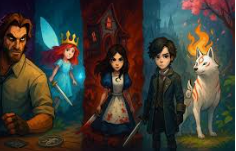
Fairy-tale themes continue to inspire modern digital games by combining familiarity with creative flexibility. Motifs such as curses, quests, and enchanted forests are instantly recognizable, giving players a clear sense of a game’s world and rules while providing developers a foundation to reimagine classic stories in new ways.
These tales are especially suited to interactive storytelling. Their mix of wonder and danger creates atmosphere, and their symbolic meanings make player choices feel purposeful and impactful, helping games feel timeless, layered, and memorable.
Familiar Worlds, Faster Immersion
Fairy tales come with familiar characters, settings, and conflicts that most players already recognise. Ideas like a “lost child,” a “cursed forest,” or a “bargain with a witch” require little explanation to feel significant. This shared understanding allows players to enter a game world quickly and focus more on their decisions and gameplay than on learning complex background lore.
Because the basics are widely known, designers can spend more time subverting expectations or adding fresh twists. For example, in Huff N Even More Puff, a figure inspired by “The Three Little Pigs” appears, but the game challenges players’ assumptions about who the real threat is. This approach keeps onboarding smooth while still leaving room for surprise and depth.
Natural Built-In Quest Logic
Fairy tales are structured around clear objectives, such as breaking a spell, finding someone who is lost, surviving a trial, or returning home safely. These goals translate easily into game systems like missions, levels, upgrades, and boss encounters. Even simple fairy-tale story beats can be shaped into a satisfying cycle of challenge, reward, and discovery.
Progression also feels more meaningful when it follows the familiar arc found in many fairy tales. Players often begin weak or limited, gradually gain new abilities or allies, and eventually face a central threat. This structure makes levelling up feel like more than numerical improvement, because it reflects a narrative pattern people already find deeply satisfying.
“Personal” Symbolic Conflicts
Fairy tales often represent inner struggles as external threats, like monsters, curses, or impossible tasks. In games, this symbolism becomes interactive, letting players “fight” anxiety, temptation, or grief through gameplay. The result is a story that can feel personal without needing long dialogue scenes to explain every emotion.
Because symbols are flexible, players can interpret them in ways that match their own experiences. A haunted house can be just a spooky level, or it can feel like a metaphor for memory and trauma. Similarly, a monster can be just an enemy to defeat, or it can represent a fear the player is trying to overcome. Games benefit from this ambiguity, since interactivity makes the player’s interpretation part of the experience.
Iconic Imagery That Pops on Screen
Fairy-tale imagery is vivid: enchanted forests, castles, talking animals, magical artefacts, and dramatic costumes. In digital games, that iconography helps build a memorable art direction that stands out in a crowded market. Even a single screenshot can communicate mood, genre, and theme when it taps into fairy-tale visuals.
Modern tools also let studios reinterpret these aesthetics in countless styles. A fairy tale can become neon cyber-fantasy, minimalist silhouette art, claymation-like worlds, or gritty realism. That flexibility allows developers to be both familiar and original, which is a powerful combination for attracting players.
Support Moral Consequence-Driven Play
Fairy tales often revolve around decisions: keep a promise, resist greed, show kindness to a stranger, or ignore warnings. Games can transform these moral moments into branching narratives, reputation systems, and multiple endings. Players enjoy seeing how their choices reshape the world, and fairy-tale logic ensures that the consequences feel both clear and dramatic.
At the same time, modern games can complicate the old moral binaries. Instead of “good” and “evil,” players may face trade-offs where every path has costs. That tension—between classic lessons and modern ambiguity as well as moral complexity—creates richer role-playing and makes replays more interesting.
Timeless Tales, Infinite Remixes
Fairy tales exist in many versions. Their stories have always changed depending on who tells them and why. Digital games continue that tradition by remixing plots, swapping perspectives, and blending myths from different places. This keeps fairy-tale themes fresh and relevant without losing their core appeal.
They also resonate globally because they focus on universal experiences like fear, hope, love, hunger, and survival. A player doesn’t need to share the same background to understand the feeling of being lost in the woods or tempted by an easy bargain. That universality helps modern games reach wide audiences while still telling emotionally grounded stories.
Once Upon a Replay
Fairy-tale themes continue to inspire modern digital games. Their recognisable characters and settings help players immerse quickly, while familiar plots make quests and progression feel natural and satisfying. Additionally, through symbolism, games turn inner struggles into interactive challenges that feel personal and meaningful without over-explaining.
Fairy-tale visuals also create iconic worlds, and their moral choices add consequence-driven replay value through ambiguity and moral complexity. Looking ahead, fairy-tale-inspired games will likely keep evolving through new genres and technologies, offering even more creative remixes that feel both classic and fresh.



Newstown CraigScott Capital: A Simple Guide to Understanding Its Story and Importance

Young18gye: The Complete Simple Guide to Understanding Young18gye

80.3×64.7 Explained: Simple Meaning, Uses, and Facts You Should Know

Noah Fearnley Net Worth: Age, Career, Girlfriend, Bio, Net Worth 2025 And More

Make1M.com: Unlock the Path to Lasting Financial Freedom

PO Box 6887 Coventry: What’s Really Behind the Address?
-
 Celebrity5 months ago
Noah Fearnley Net Worth: Age, Career, Girlfriend, Bio, Net Worth 2025 And More
-
 Blog4 months ago
Make1M.com: Unlock the Path to Lasting Financial Freedom
-
 Business10 months ago
PO Box 6887 Coventry: What’s Really Behind the Address?
-

 Business2 months ago
Pipedrive CRM Integrations: Sales Tools That Improve Deal Management
-

 Celebrity10 months ago
Eric Haze Net Worth: Feet, Age, Net Worth 2025, and Family – Everything You Need to Know
-

 Celebrity11 months ago
Who Is Zoe Bearse: All About The Life Of Amanda Bearse’s Daughter
-

 Celebrity10 months ago
Keisha Combs Net Worth: Biography, Career Journey, Height, And Net Worth 2025
-

 Celebrity6 months ago
Who Is Hall Sinclair? All About Olivia Colman’s Son