Life Style
Winter-Ready Living: How to Prepare Your Home for Cold Weather

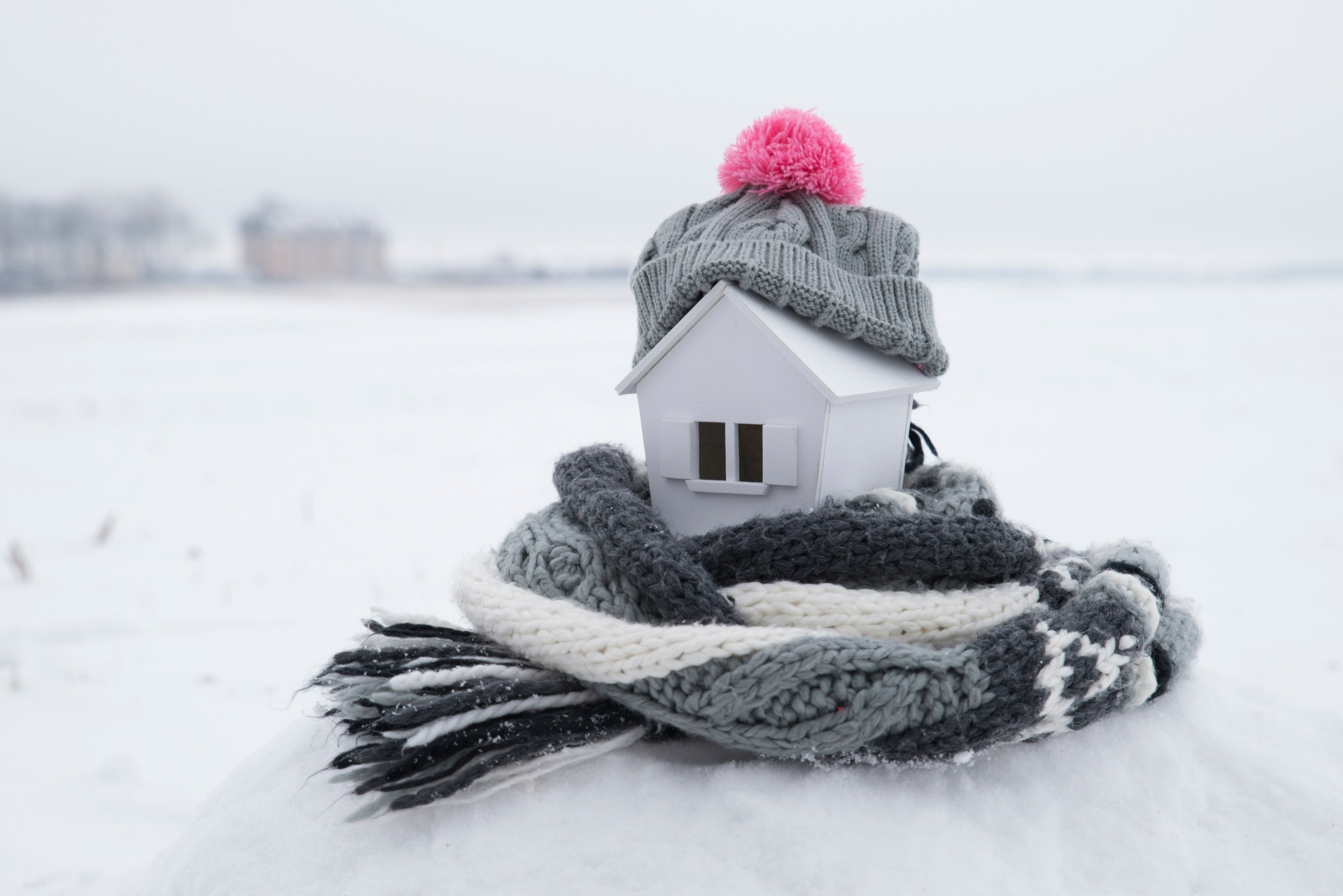
As temperatures drop and days grow shorter, preparing your home for winter becomes more than a comfort upgrade—it’s a necessity. Cold weather can strain your home’s systems, drive up energy bills, and cause costly damage if you’re not ready. The good news? With a bit of planning and preventative care, you can enjoy a warm, safe, and efficient home all winter long.
Here’s a practical guide to getting your home winter-ready, from sealing drafts to protecting pipes.
Start With Insulation and Draft Control
One of the most effective ways to prepare your home for winter is to focus on insulation and air sealing. Heat naturally escapes through poorly insulated attics, walls, and basements, forcing your heating system to work harder.
Check for drafts around windows, doors, and electrical outlets. Weatherstripping and caulking are affordable fixes that can make an immediate difference. Adding or upgrading insulation in key areas helps maintain consistent indoor temperatures and reduces energy waste. Homeowners looking for professional help often turn to insulation services in West Haven to ensure their home is properly protected against the cold.
Service Your Heating System Early
Don’t wait for the first freezing night to discover your furnace isn’t working properly. Schedule a professional inspection before winter begins. A technician can clean components, replace filters, and catch small issues before they turn into major repairs.
In between professional maintenance, replace furnace filters regularly—typically every one to three months. Clean filters improve airflow, boost efficiency, and help maintain better indoor air quality during a season when windows stay shut.
Protect Pipes From Freezing
Frozen pipes are one of winter’s most expensive and inconvenient problems. When water freezes, it expands, which can cause pipes to burst and flood your home.
Insulate exposed pipes in basements, crawl spaces, and garages. Disconnect outdoor hoses and shut off exterior water valves if possible. On extremely cold nights, letting faucets drip slightly can help prevent freezing by keeping water moving through the pipes.
Inspect the Roof and Gutters
Your roof is your home’s first line of defense against winter weather. Inspect it for loose, damaged, or missing shingles, as well as signs of leaks. Addressing issues before snow and ice arrive helps prevent water intrusion and structural damage.
Clean gutters and downspouts so melting snow can drain properly. Clogged gutters can lead to ice dams, which force water back under the roof and into your home. Installing gutter guards or ensuring proper attic insulation and ventilation can also reduce ice dam formation.
Seal Windows and Upgrade Window Treatments
Windows are another major source of heat loss during winter. If replacement windows aren’t in your budget, there are still effective solutions. Use plastic window insulation kits, thermal curtains, or cellular shades to reduce drafts and heat loss.
Heavy curtains not only add insulation but also help create a cozier indoor atmosphere. Opening them during sunny winter days can allow natural warmth in, while closing them at night keeps cold air out.
Prepare for Winter Safety
Winter brings unique safety concerns, so take time to prepare. Test smoke detectors and carbon monoxide alarms, especially since heating systems run more frequently. Replace batteries as needed and ensure alarms are installed near sleeping areas.
If you use a fireplace or wood stove, have the chimney inspected and cleaned. Keep flammable items away from heat sources and ensure space heaters are used safely—never unattended and always on stable surfaces.
Reverse Ceiling Fans and Adjust Thermostats
A simple but often overlooked step is adjusting your ceiling fans. Set them to rotate clockwise at a low speed during winter. This pushes warm air down from the ceiling, improving comfort without raising the thermostat.
Consider installing a programmable or smart thermostat. Lowering the temperature slightly while you sleep or are away can lead to noticeable energy savings over the course of the winter.
Stock Up and Plan Ahead
Finally, prepare for winter storms by stocking emergency supplies. Keep flashlights, batteries, blankets, and non-perishable food on hand. If power outages are common in your area, consider a backup power source or generator.
Taking these steps before winter arrives gives you peace of mind and helps protect your home from damage, discomfort, and unnecessary expenses. A little preparation now ensures you’ll spend the cold months warm, safe, and truly winter-ready.



Buy Bigussani – The Ultimate Guide to Smart and Stylish Shopping

Ndealba93: A Complete and Easy Guide to Understanding Ndealba93

Learning Financial Data Concepts Through Practical, Real-World Examples

Noah Fearnley Net Worth: Age, Career, Girlfriend, Bio, Net Worth 2025 And More

Make1M.com: Unlock the Path to Lasting Financial Freedom

PO Box 6887 Coventry: What’s Really Behind the Address?
-
 Celebrity5 months ago
Noah Fearnley Net Worth: Age, Career, Girlfriend, Bio, Net Worth 2025 And More
-
 Blog4 months ago
Make1M.com: Unlock the Path to Lasting Financial Freedom
-
 Business10 months ago
PO Box 6887 Coventry: What’s Really Behind the Address?
-

 Celebrity10 months ago
Eric Haze Net Worth: Feet, Age, Net Worth 2025, and Family – Everything You Need to Know
-

 Celebrity10 months ago
Who Is Zoe Bearse: All About The Life Of Amanda Bearse’s Daughter
-

 Business2 months ago
Pipedrive CRM Integrations: Sales Tools That Improve Deal Management
-

 Celebrity10 months ago
Keisha Combs Net Worth: Biography, Career Journey, Height, And Net Worth 2025
-

 Celebrity10 months ago
BigXthaPlug’s Net Worth: How Rich Is the Rising Rap Star in 2025?