Business
From Curves to Chrome: What Makes a Car Visually Stunning

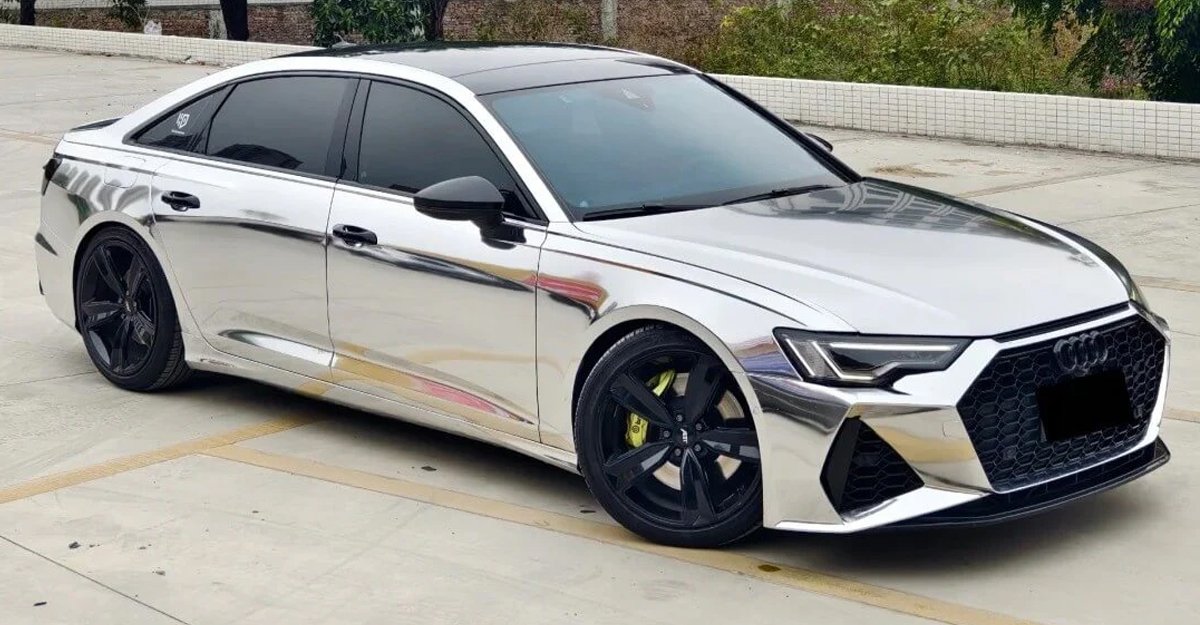
The allure of a car often goes beyond its engine, horsepower, or top speed. While performance is crucial, the visual impact of a vehicle is what first captures attention. A car’s aesthetics—its curves, lines, finishes, and details—speak volumes about its personality, engineering, and style. But what exactly makes a car visually stunning, and why do these details matter so much?
The Power of Design Lines
One of the most critical aspects of automotive aesthetics is the design line. These are the sweeping contours and subtle creases that define a vehicle’s shape. From the aggressive angles of a sports car to the smooth, flowing lines of a luxury sedan, these lines convey motion, elegance, and character—even when the car is standing still. Designers carefully study proportions, angles, and symmetry to create a vehicle that’s visually balanced and appealing from every perspective.
The Role of Color
Color is more than just paint; it’s an expression of emotion and personality. A bold red might convey excitement and speed, while a sleek black exudes sophistication and mystery. Metallics and pearlescent paints can enhance reflections and emphasize curves, adding depth and richness to the car’s body. Modern finishes often use multiple layers of paint, clear coat, and even specialized pigments to achieve a look that is both vibrant and long-lasting. Here, finishing services play a critical role, ensuring that every layer is flawless, smooth, and perfectly aligned to the designer’s vision.
Chrome and Accents
Chrome detailing has long been associated with luxury and high-end craftsmanship. Whether it’s the grille, trim, or exhaust tips, chrome accents can catch light and draw attention to a car’s most striking features. Beyond chrome, other accent materials like brushed aluminum, carbon fiber, and blacked-out finishes are increasingly used to create contrast and highlight specific elements of a vehicle. These details, though small, can dramatically elevate the overall appearance.
Lighting That Speaks Volumes
Headlights and taillights are more than safety features—they’re design statements. Modern LED and laser lighting technologies allow for intricate patterns and signature shapes that define a brand’s identity. Think of the sweeping light signatures of luxury brands or the sharp, angular lights of performance models. These lighting elements can accentuate curves, add depth to the body, and give a car a unique presence on the road, day or night.
Wheels and Stance
A car’s stance—the way it sits on the road—affects its visual impact just as much as its body lines. Wide, low-slung stances convey aggression and speed, while taller, more upright vehicles suggest stability and comfort. Wheels, often called the jewelry of a car, also play a pivotal role. From intricate multi-spoke alloys to bold custom rims, the right wheels can complement body lines, enhance proportions, and provide a finishing touch that ties the entire design together.
Attention to Detail
What truly separates a visually stunning car from an average one is attention to detail. This includes panel alignment, the precision of seams, the quality of materials, and the harmony of all visual elements. Even interior aesthetics—from dashboard layouts to seat stitching—affect the perception of the car. Every detail, no matter how small, contributes to a cohesive design that feels intentional and polished.
Timeless Appeal vs. Trendy Styles
While some cars captivate through bold, cutting-edge designs, others rely on timeless proportions and classic curves. A visually stunning car can blend innovation with tradition, creating a look that feels both modern and enduring. Designers must balance trends with timeless principles to ensure that a car remains desirable for years to come.
In Conclusion
From the subtle curves to gleaming chrome, a car’s visual appeal is the result of meticulous design, skilled craftsmanship, and a keen eye for detail. Every line, color, accent, and light pattern plays a role in creating a vehicle that captures attention and evokes emotion. Whether through bold statements or understated elegance, visually stunning cars remind us that automotive design is an art form as much as it is an engineering feat.
By understanding what makes a car visually captivating, enthusiasts, buyers, and designers alike can appreciate the depth of thought, skill, and finishing services that transform raw materials into a rolling masterpiece.


Printing Solutions South Africa and Restaurant Menu Lightboxes for Business Growth

Why Most Buyers Don’t Choose the Best Property, They Choose the Most Comfortable one

6 Benefits of Community-Based Senior Living

Common Causes of Knee Pain and Effective Ways to Manage Naturally and Medically

Make1M.com: Unlock the Path to Lasting Financial Freedom

Noah Fearnley Net Worth: Age, Career, Girlfriend, Bio, Net Worth 2025 And More
-
 Health7 months ago
Common Causes of Knee Pain and Effective Ways to Manage Naturally and Medically
-
 Blog12 months ago
Make1M.com: Unlock the Path to Lasting Financial Freedom
-
 Celebrity1 year ago
Noah Fearnley Net Worth: Age, Career, Girlfriend, Bio, Net Worth 2025 And More
-

 Business9 months ago
Pipedrive CRM Integrations: Sales Tools That Improve Deal Management
-

 Business1 year ago
PO Box 6887 Coventry: What’s Really Behind the Address?
-

 Celebrity1 year ago
Eric Haze Net Worth: Feet, Age, Net Worth 2025, and Family – Everything You Need to Know
-

 Celebrity1 year ago
Who Is Zoe Bearse: All About The Life Of Amanda Bearse’s Daughter
-

 Business9 months ago
Why Fairy-Tale Themes Continue to Inspire Modern Digital Games