Tech
Fiber vs 5G Home Internet — Which Is the Future of Connectivity?

Whether it’s for work, study, or even just relaxing on your day off, a fast and reliable internet connection can be the difference between a great experience and a frustrating one that has you ripping your hair out.
Speaking of internet speed, two options come to mind, fiber and 5G, both of which are currently the most advanced forms of connectivity offered by major internet providers in US.
But which one will dominate the future? Time to find out. I’m going to compare both these connectivity options based on speed, reliability, coverage, and value to give you a sneak peek of what the future of the internet might be like.
What is Fiber Internet and 5G?
Before we dive into the nitty-gritty details, let me give you a quick breakdown of what both are and how they work.
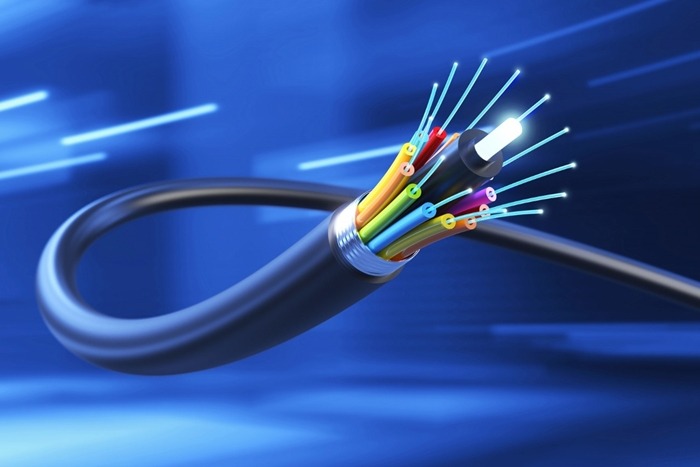
Fiber internet is a type of internet connection that uses plastic or glass cables to transmit data in the form of light signals instead of electrical signals that other wired connections like cable internet use. 5G, on the other hand, is the next generation of wireless technology that provides connectivity using an existing cellular network and a higher frequency band compared to previous versions.
Well, that about covers the nature of both these forms of connectivity. Now, let’s explore how both of them compare in terms of the most important aspects you need to consider with an internet connection.
Speed
When it comes to speed, fiber internet and 5G are neck to neck.
Fiber offers speeds ranging from 100 Mbps (Megabits per second) to over 1 Gbps (Gigabits per second). The root of this speed is the transfer of data in the form of light signals through glass and plastic cables, which are much more resilient to interference. This leads to an extremely low lag or data loss, whether you’re using fiber for gaming, streaming, or remote work.
5G internet also offers speeds reaching up to several gigabits, but where it falls short is consistency.
Fiber connections are rarely impacted by distance, extreme weather conditions, or network congestion (a high number of users on a network at the same time). However, 5G can fluctuate if you’re far from the cell tower, there is any sort of interference, or a large number of users on a network.
Reliability
Reliability is how consistently a connection’s signals reach your devices, and fiber takes the cake with this one because of its low latency, which is usually around 5 to 10 milliseconds.
Fiber connections, being wired connections, can ensure constant connectivity despite physical obstacles, signal drops, or weather conditions, making them ideal for applications like remote work or gaming, where even a second’s delay could result in data loss.
5G, on the other hand, is a wireless connection that uses cell towers to transmit signals. These signals are more prone to interference from obstacles, weather conditions, and a large number of users on the same cell tower. All these could lead to a higher latency, which ranges between 10 and 25 milliseconds.
Coverage
Both fiber internet and 5G are currently limited in terms of availability, being mostly available in urban areas.
However, 5G is expanding at a faster rate compared to fiber and may soon be available all across America, even in the most rural areas. This may be because a 5G infrastructure is rather easier to set up compared to fiber.
Fiber internet is difficult to set up in areas with difficult terrain, slowing its growth in rural areas. While fiber internet is a distant dream in most rural areas, a growth in demand for faster speeds, higher bandwidth, and reliability may speed up its expansion in such areas.
Value
And now to the most important consideration, what do you get for all the money you spend? It all depends on what you’re planning to use the internet for.
For example, while the speed and reliability of fiber internet often come with a heavier price tag, and most often a professional installation, all this might be a small price to pay for the efficiency and uninterrupted connectivity you get to enjoy.
5G internet is easier and quicker to set up compared to fiber, since it comes with the equipment included, you can install the system yourself, sparing yourself a lengthy appointment process and fees. To top that, 5G internet plans can also be more cost-effective, especially in areas where fiber internet isn’t available.
The mutual benefits of both include no contracts and the option to bundle internet with other services, such as TV.
Time for the Verdict
Considering that fiber outmatches 5G in terms of speed and reliability, and that both are rather similar in coverage and value, I’d have to say that fiber wins this round.
Its fast speeds, low latency, and reliability can support a large number of use cases, from remote work to gaming, and everything in between. It’s true that fiber setup and plans can be a bit pricey, but in the long term, they may offer you a better value for your money as they can keep you connected consistently.


Printing Solutions South Africa and Restaurant Menu Lightboxes for Business Growth

Why Most Buyers Don’t Choose the Best Property, They Choose the Most Comfortable one

6 Benefits of Community-Based Senior Living

Common Causes of Knee Pain and Effective Ways to Manage Naturally and Medically

Make1M.com: Unlock the Path to Lasting Financial Freedom

Noah Fearnley Net Worth: Age, Career, Girlfriend, Bio, Net Worth 2025 And More
-
 Health7 months ago
Common Causes of Knee Pain and Effective Ways to Manage Naturally and Medically
-
 Blog12 months ago
Make1M.com: Unlock the Path to Lasting Financial Freedom
-
 Celebrity1 year ago
Noah Fearnley Net Worth: Age, Career, Girlfriend, Bio, Net Worth 2025 And More
-

 Business9 months ago
Pipedrive CRM Integrations: Sales Tools That Improve Deal Management
-

 Business1 year ago
PO Box 6887 Coventry: What’s Really Behind the Address?
-

 Celebrity1 year ago
Eric Haze Net Worth: Feet, Age, Net Worth 2025, and Family – Everything You Need to Know
-

 Celebrity1 year ago
Who Is Zoe Bearse: All About The Life Of Amanda Bearse’s Daughter
-

 Business9 months ago
Why Fairy-Tale Themes Continue to Inspire Modern Digital Games