Business
The Heavy Lifter’s Guide: How to Choose the Perfect Industrial Magnet

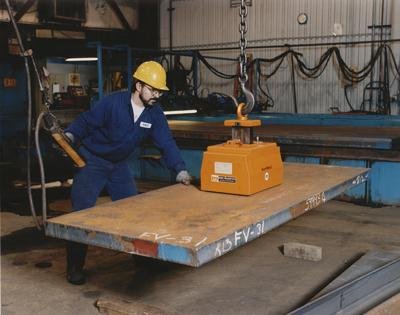
Moving massive pieces of steel is no small feat. If you have ever watched a crane effortlessly pick up a thick metal plate that weighs several tons, you have seen the magic of industrial lifting magnets in action. These tools are the backbone of scrap yards, shipping ports, and manufacturing plants all over the world. However, choosing the right one is not as simple as picking the strongest-looking block of metal on the mr. manhole site. If you get it wrong, you risk damaging your materials or, much worse, causing a serious accident on the shop floor. This guide will help you navigate the tricky process of buying an industrial magnet so you can lift with confidence.
Picking the Right Tool for the Job
Before you pull out your wallet, you need to understand that not all magnets are created equal and different tasks require different technology. Some magnets stay “on” all the time, while others need a flick of a switch to start working.
Permanent Magnets vs. Electromagnets
A permanent magnet is always magnetic. It does not need electricity to work, which makes it very safe because it will not drop a load if the power goes out. These are usually smaller and great for flat, clean pieces of steel. On the other hand, electromagnets use electricity to create a magnetic field. You can turn them on and off with a button, which is perfect for moving scrap or large bundles of metal quickly. A fun fact is that the strongest magnets in the world are actually electromagnets that are used in scientific labs to study the very fabric of our universe.
Permanent-Electro Magnets
There is also a middle ground called a permanent-electro magnet. These use a quick burst of electricity to “flip” the magnet on or off, but they do not need a constant flow of power to hold the weight. This gives you the control of an electromagnet with the safety of a permanent one.
Don’t Let the Load Get Away
Capacity is more than just a number on a sticker; it is a promise of safety and efficiency that you must take seriously. Every magnet has a rated capacity, but that number is often based on “perfect” conditions that you might not have in your shop.
The Importance of Safety Factors
Most reputable manufacturers build their magnets with a safety factor, which is usually a 3 to 1 ratio. This means if a magnet is rated for 1,000 pounds, it was actually tested to hold 3,000 pounds under perfect conditions. This extra buffer is there to protect you from unexpected movements or slightly greasy surfaces. A fun fact about magnetism is that it is actually a result of electrons spinning in the same direction inside an atom, creating a tiny force that adds up to a huge pull.
Rated Capacity vs. Real World Weight
You should always aim for a magnet that can handle more than your heaviest expected load. If you are lifting 2,000 pounds, do not buy a magnet rated exactly for 2,000 pounds. Give yourself some breathing room.
Why Texture and Shape Matter
You might think a magnet will stick to anything metal, but the surface condition changes everything about how much weight the magnet can actually hold. If the connection between the magnet and the metal is not perfect, the lifting power drops fast.
Flat vs. Curved Surfaces
Magnets love flat surfaces because they can make full contact. If you are trying to lift a round pipe or a curved beam, you need a magnet specifically designed with a V-shaped bottom. Using a flat magnet on a curved surface creates an “air gap,” and even a tiny gap can cut your lifting power in half.
The Problem with Rust and Paint
If your steel is covered in thick paint, rust, or heavy oil, the magnet will struggle. These layers act like a barrier that keeps the magnetic field from reaching the metal. You need to consider if your materials are usually clean or if they come straight off a dusty truck. A fun fact is that some birds actually have tiny bits of magnetic material in their beaks to help them find their way during long flights.
Keeping the Juice Flowing
If you choose an electromagnet, you need to think about how you will keep it powered throughout the day without any interruptions. Losing power in the middle of a lift is a nightmare scenario for any warehouse manager.
Battery Backups and Controllers
For large electromagnets, a battery backup system is a must-have. This system will kick in instantly if the main power fails, giving the operator enough time to safely lower the load to the ground. You also want a high-quality controller that allows for “inching,” which lets you drop one plate at a time from a stack.
Understanding Duty Cycles
Electromagnets get hot when they stay on for a long time. The “duty cycle” tells you how long the magnet can be on versus how long it needs to rest and cool down. If you plan on moving metal for eight hours straight, you need a magnet with a 100% duty cycle.
Surviving the Shop Floor
Factories are dusty, hot, and often messy places where equipment needs to be tough to survive the daily grind. A magnet might look shiny in the box, but it needs to handle the heat of your specific work environment.
Temperature Resistance
Heat is the enemy of magnetism. If you are lifting hot steel plates coming out of a furnace, you need a specialized high-temperature magnet. Standard magnets lose their strength as they get hot, and they can even become permanently damaged if they get too toasty. A fun fact is that if you heat a magnet to its “Curie point,” it will lose its magnetic power entirely and just become a regular piece of metal.
Housing and Durability
Check the casing of the magnet. It should be made of heavy-duty steel that can take a few bumps and scrapes. Look for waterproof ratings if you plan to use it outdoors in the rain or snow. Buying a cheap, flimsy magnet will only cost you more money in repairs later on.



From Pellets to Products: The Journey of Custom Plastic Molding

How to Win Your Case Before You Ever Step Into Court

Learn Shooting Together Without the Stress

Noah Fearnley Net Worth: Age, Career, Girlfriend, Bio, Net Worth 2025 And More

Make1M.com: Unlock the Path to Lasting Financial Freedom

Pipedrive CRM Integrations: Sales Tools That Improve Deal Management
-
 Celebrity6 months ago
Noah Fearnley Net Worth: Age, Career, Girlfriend, Bio, Net Worth 2025 And More
-
 Blog5 months ago
Make1M.com: Unlock the Path to Lasting Financial Freedom
-
 Business3 months ago
Pipedrive CRM Integrations: Sales Tools That Improve Deal Management
-

 Business11 months ago
PO Box 6887 Coventry: What’s Really Behind the Address?
-

 Celebrity11 months ago
Eric Haze Net Worth: Feet, Age, Net Worth 2025, and Family – Everything You Need to Know
-

 Celebrity11 months ago
Who Is Zoe Bearse: All About The Life Of Amanda Bearse’s Daughter
-

 Celebrity11 months ago
Keisha Combs Net Worth: Biography, Career Journey, Height, And Net Worth 2025
-

 Celebrity11 months ago
BigXthaPlug’s Net Worth: How Rich Is the Rising Rap Star in 2025?