Blog
From Pellets to Products: The Journey of Custom Plastic Molding

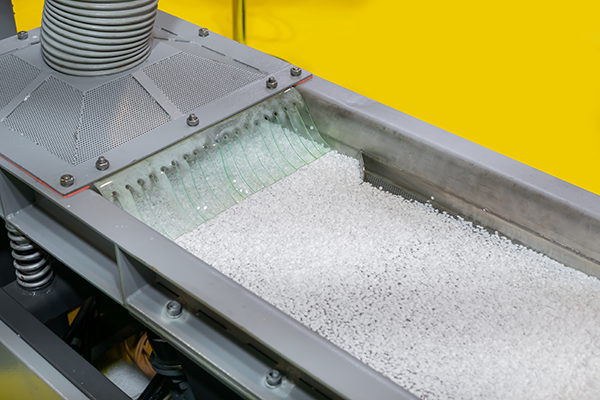
Have you ever looked at a plastic TV remote, a toy car, or even a medical syringe and wondered how it was actually made? It is easy to take these everyday items for granted, but they all go through a very cool and complex journey called custom plastic injection molding. This process allows companies to create thousands of identical parts very quickly and with incredible detail. It is a mix of science, art, and heavy machinery working together at Wunder-Mold, California, to turn tiny plastic beads into the things we use every day.
Finding the Best Plastic Ingredients
Choosing the right material is the first and most important step in the whole process because the plastic must match the job it needs to do. If you are making a car bumper, you need a plastic that is tough and can take a hit, but if you are making a soda bottle, you need something clear and lightweight.
Understanding Resin Chemistry
Not all plastics are the same, and the chemicals inside them change how they behave when they get hot. Engineers look at things like how much the plastic shrinks when it cools down or how well it handles being out in the sun. A fun fact is that there are actually thousands of different types of plastic resins available, and some are even made from plants like corn instead of oil.
If the wrong resin is picked, the final product might crack or melt when it is not supposed to. That is why experts spend a lot of time testing the “melt flow” of the material to see how easily it will fill up the mold. They might also add colors or special fibers to make the plastic stronger or prettier before the real work begins.
Creating the Master Mold
Once you have your material picked out, you need a high-quality tool to shape it into the perfect form. This tool is called a mold, and it is usually made from two big blocks of very hard steel or aluminum that fit together like a 3D puzzle.
The Art of Precision Engineering
Designing these molds is a very technical job that requires a lot of math and computer software. The engineers have to figure out exactly where the hot plastic will enter the mold and how the air will get out so there are no bubbles. A fun fact is that a high-quality steel mold can cost tens of thousands of dollars, but it can last for over a million uses.
Every tiny detail on the product, like a logo or a textured grip, has to be carved into the metal with extreme accuracy. If the mold is even a tiny bit off, the parts won’t fit together correctly later on. This is why the “tooling” stage is often the longest part of the whole journey.
Testing the Waters with Prototypes
You never want to rush into big production without checking your work first to make sure everything is perfect. Prototyping is like a dress rehearsal for the plastic part where you make just a few samples to see if the design actually works in the real world.
Making Sure the Design Works
In the old days, people had to wait weeks for a prototype, but now we can use 3D printing or quick-turn molds to see a sample in just a few days. This stage helps designers find mistakes before they spend a lot of money on the final steel mold. It is much cheaper to fix a digital drawing than it is to fix a heavy metal tool.
During this phase, the team looks for things like “sink marks,” which are little dents that happen if the plastic is too thick in some spots. They might also check if the part is strong enough by dropping it or hitting it with a hammer. Once the prototype passes all the tests, it is finally time to start the big machines.
Moving into Massive Production
This is the part where the machines take over and start pumping out parts by the thousands in a very short amount of time. The injection molding machine is a massive piece of equipment that uses a giant screw to melt the plastic beads and shove them into the mold at high pressure.
Efficiency on the Factory Floor
Once the hot plastic is inside the mold, it is cooled down by water pipes running through the metal so it hardens instantly. A fun fact is that the entire cycle, from melting the plastic to popping out a finished part, can often happen in less than 30 seconds.
The machine runs over and over again, 24 hours a day, to make sure the company meets its deadlines. It is a very loud and busy environment, but it is also very organized. Robotic arms often reach into the machine to grab the finished parts and place them neatly on a conveyor belt so they do not get scratched.
Checking Every Single Detail
Even the best machines can make mistakes sometimes, so humans and sensors have to stay alert to keep the quality high. Quality assurance is the final safety net that ensures every single piece that leaves the factory is exactly like the one before it.
The Importance of High Standards
Inspectors use special tools to measure the parts down to the width of a human hair. They also look for small visual problems like “flash,” which is extra plastic that leaks out of the edges, or “short shots,” which happen when the mold doesn’t fill up all the way.
- Visual inspection to check for color and texture.
- Stress testing to make sure the part won’t break.
- Automated camera systems that scan parts for tiny defects.
If a batch of parts doesn’t meet the rules, it might be sent back to be ground up and recycled so no material goes to waste. This careful checking is why the products we buy in stores usually work perfectly right out of the box.



From Pellets to Products: The Journey of Custom Plastic Molding

How to Win Your Case Before You Ever Step Into Court

Learn Shooting Together Without the Stress

Noah Fearnley Net Worth: Age, Career, Girlfriend, Bio, Net Worth 2025 And More

Make1M.com: Unlock the Path to Lasting Financial Freedom

Pipedrive CRM Integrations: Sales Tools That Improve Deal Management
-
 Celebrity6 months ago
Noah Fearnley Net Worth: Age, Career, Girlfriend, Bio, Net Worth 2025 And More
-
 Blog5 months ago
Make1M.com: Unlock the Path to Lasting Financial Freedom
-
 Business3 months ago
Pipedrive CRM Integrations: Sales Tools That Improve Deal Management
-

 Business11 months ago
PO Box 6887 Coventry: What’s Really Behind the Address?
-

 Celebrity11 months ago
Eric Haze Net Worth: Feet, Age, Net Worth 2025, and Family – Everything You Need to Know
-

 Celebrity11 months ago
Who Is Zoe Bearse: All About The Life Of Amanda Bearse’s Daughter
-

 Celebrity11 months ago
Keisha Combs Net Worth: Biography, Career Journey, Height, And Net Worth 2025
-

 Celebrity11 months ago
BigXthaPlug’s Net Worth: How Rich Is the Rising Rap Star in 2025?