Blog
Why Early Detection Is Key to Better Health Outcomes

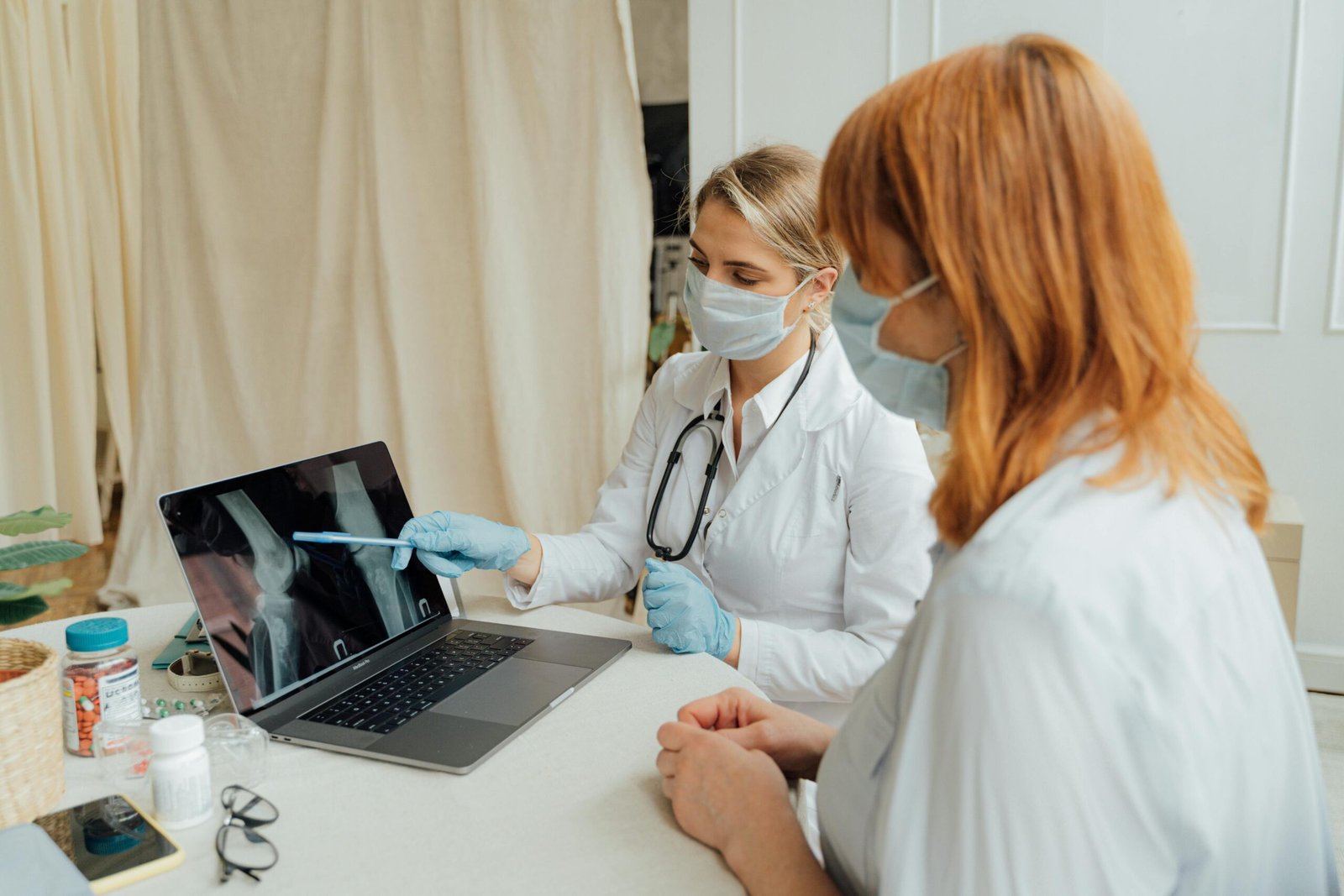
When it comes to your health, the most important thing is that a potential issue is identified as soon as possible. This makes your chances of managing it efficiently and avoiding complications greater. Also, early action often leads to simpler treatments, faster recovery, and significantly better long-term outcomes.
The real challenge is that the most serious conditions do not appear overnight. They develop gradually and often do not show any warning signs. This silent progression is what makes early detection so important, as it allows you to intervene before any of the symptoms occur and become noticeable.
Why Early Detection Matters
Most people take a reactive approach when it comes to their health. Usually, they wait until something feels wrong, until discomfort appears, or until symptoms become difficult to ignore. But the problem is, by that time, the condition may be more complex and harder to treat. For this reason, early detection shifts this mindset from reactive to proactive. It focuses on identifying potential issues in their earliest stages, when they are still manageable. This often means less invasive treatments and lower risk.
So instead of dealing with a more serious problem later, you are addressing a smaller, more controllable issue early. This is something that can have a significant impact on your health and quality of life.
What Happens When You Wait Too Long
Health conditions are almost never static. In most cases, they progress over time. As we stated above, a minor concern now can become a serious issue later on, especially if it’s undetected and untreated. Relying solely on how you feel can be misleading, so it’s important to seek a professional opinion. Many conditions develop silently without causing pain or noticeable discomfort in the early stages. This can create a false sense of security, and this is what leads people to delay necessary check-ups.
You may think that it’s nothing, that it’s not a big deal, and that you don’t need to check it out, but trust me, you need to take every discomfort seriously and think about checking it. By the time symptoms appear, the condition may already require more complex treatment. This is why regular health monitoring plays a crucial role.
The Role of Medical Imaging
Today, modern healthcare has made early detection more accurate and accessible than ever before. One of the most powerful tools available now is medical imaging. It is useful in identifying potential health issues at an early stage.
This is done through technologies such as X-rays, CT scans, and MRIs. With these, doctors can gain a clear and detailed view of what’s happening inside your body. This removes uncertainty and replaces guesswork with precise evidence. Services like medical imaging in Sydney provide access to advanced diagnostic tools that can detect abnormalities before they develop into serious conditions. Again, imaging plays a critical role in guiding timely intervention. This level of clarity allows you to make informed decisions about your health rather than waiting for symptoms to dictate action.
Why People Still Delay Check-Ups
Despite the clear benefits of early detection, many people still postpone regular health checks. Common reasons include feeling fine, lack of time, or the belief that nothing serious could be wrong.
“I feel fine, so I don’t need it.”
“I’ll deal with it later.”
“I’m too busy right now.”
These thoughts are understandable, but they often lead to unnecessary risk. Health conditions do not pause while we delay action. They continue to develop in the background, regardless of how we feel. In many cases, a simple check-up can provide reassurance or catch an issue early enough to prevent complications. Delaying that step can make future treatment more difficult and more demanding.
Better Outcomes Start Early
The most important thing that you need to remember from this article is that when a condition is detected early, the entire treatment process becomes more manageable. Doctors have more options available, and this means that treatments are often less aggressive.
Early-stage intervention also means shorter recovery times and fewer complications overall. This applies across a wide range of health concerns, from musculoskeletal issues to more complex medical conditions. Early detection gives you an advantage. It’s like when you are in a race, it gives you more time and more options to control this critical factor when it comes to managing your health effectively.
Prevention is always better than reaction.
There are two main approaches to health management. The first is reactive, where action is taken only after a symptom appears. This often leads to more intensive treatments and longer recovery times.
The second way is proactive. This is when regular monitoring and early checks are used to prevent issues from escalating. This approach focuses on maintaining health rather than restoring it. The difference between these two approaches is massive, and in my opinion, proactive care reduces uncertainty, minimizes risks, and supports better long-term well-being.
Making Early Detection Part of Your Routine
Early detection should not be seen as a one-time thing. It should be seen as part of your lifestyle. This is not something to be used once; it’s something that becomes an ongoing part of your life. It’s just like maintaining a balanced diet or staying physically active. It’s a long-term commitment and it requires consistency.
This does not mean that you do everything at once. It means that you are consistent and aware. Small, regular steps, such as routine screenings or periodic imaging, can make a big difference over time. If you include early detection in your routine, you will create a system that supports prevention rather than reaction.
Choosing the Right Support
Today, having access to the right healthcare providers and diagnostic tools is absolutely essential. Reliable services ensure that you receive accurate results, clear explanations, and appropriate guidance.
Working with experienced professionals, such as those offering medical imaging in Sydney, allows you to approach your health with confidence. With this approach, you are not left guessing, you are supported by data and expert insights, which is a very important factor. This support system plays a key role in helping you make informed decisions and maintain control over your health.
Final Thought
Early detection is a simple concept, but it requires consistent action. It’s not about reacting to problems; it’s about staying ahead of them.
You need to be one step ahead of the problem. Remember that you always have a choice. You can wait and hope nothing develops, or you can take action and take control of your life with a proactive approach. By doing this, you will stay informed about your health and make one of the best decisions in your life.


Printing Solutions South Africa and Restaurant Menu Lightboxes for Business Growth

Why Most Buyers Don’t Choose the Best Property, They Choose the Most Comfortable one

6 Benefits of Community-Based Senior Living

Common Causes of Knee Pain and Effective Ways to Manage Naturally and Medically

Noah Fearnley Net Worth: Age, Career, Girlfriend, Bio, Net Worth 2025 And More

Pipedrive CRM Integrations: Sales Tools That Improve Deal Management
-
 Health6 months ago
Common Causes of Knee Pain and Effective Ways to Manage Naturally and Medically
-
 Celebrity12 months ago
Noah Fearnley Net Worth: Age, Career, Girlfriend, Bio, Net Worth 2025 And More
-
 Business8 months ago
Pipedrive CRM Integrations: Sales Tools That Improve Deal Management
-

 Blog11 months ago
Make1M.com: Unlock the Path to Lasting Financial Freedom
-

 Business1 year ago
PO Box 6887 Coventry: What’s Really Behind the Address?
-

 Celebrity1 year ago
Eric Haze Net Worth: Feet, Age, Net Worth 2025, and Family – Everything You Need to Know
-

 Celebrity1 year ago
Who Is Zoe Bearse: All About The Life Of Amanda Bearse’s Daughter
-

 Celebrity1 year ago
Keisha Combs Net Worth: Biography, Career Journey, Height, And Net Worth 2025