Business
Difference Between Seamless and ERW Pipe

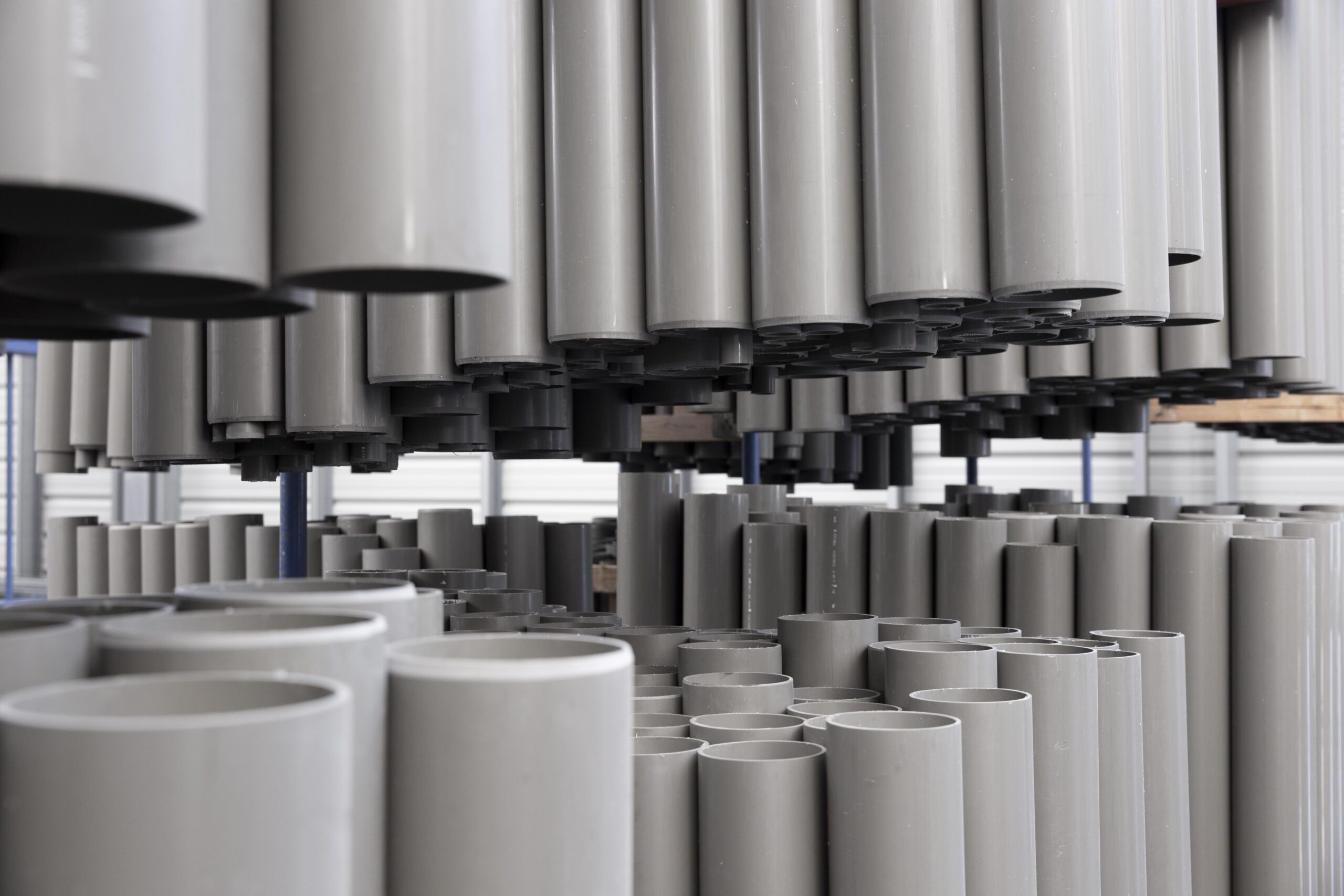
Pipes are key in many industries like oil and gas, construction, and plumbing. Two common types are seamless pipe and ERW pipe. People often ask about their differences because each has its own strengths and uses. In this article, we will explain what they are, how they are made, and how they compare in strength, cost, and applications. We keep it simple and clear so you can pick the right one for your needs.
You can check out more pipe options and details at https://www.tuspipe.com/.
What Is Seamless Pipe?
Seamless pipe is made from a solid piece of steel called a billet. The process starts by heating the billet and then piercing it to create a hollow tube. After that, it gets rolled and stretched to the right size and wall thickness. No welding happens at any step, so there is no seam along the pipe.
This method makes the pipe uniform all the way through. The walls are even, and there are no weak spots from welds. Seamless pipes come in sizes from small, like 1/8 inch, up to larger ones around 26 inches in outer diameter. They work well in tough conditions because of their solid structure.
What Is ERW Pipe?
ERW stands for Electric Resistance Welded. To make ERW pipe, a flat steel strip or coil gets rolled into a round shape. Then, high-frequency electric current heats the edges so they melt and fuse together. This creates a weld seam along the length of the pipe. No extra filler metal is added in modern high-frequency ERW.
The weld seam is strong in good quality pipes, but it is still there. ERW pipes usually come in sizes up to 24 inches and are easy to produce in long lengths. They have a smooth finish because the raw material is a flat coil with controlled quality.
For more on ERW pipes, visit a trusted ERW pipe manufacturer.
Manufacturing Process Differences
The biggest difference is in how they are made. Seamless starts with a solid billet and gets formed without any joining. This takes more steps like heating, piercing, rolling, and sometimes cold drawing for better accuracy. It uses more energy and creates some waste, so production is slower.
ERW uses steel coils that are already flat. The forming is cold, and welding happens fast with electricity. The process is automated, quick, and uses less material. This makes ERW easier and faster to produce in large amounts.
Because of these steps, seamless has no weld, while ERW has one straight seam. Modern ERW welding is good, but the absence of a seam in seamless gives it an edge in some cases.
Strength and Pressure Rating Differences
Strength is a key area where they differ. Seamless pipe has uniform material all around with no weld. This means it handles higher pressure and stress better. Many sources say seamless can take about 20% more pressure than ERW of the same size and wall thickness.
The weld in ERW can be a weak point if not made perfectly, though good manufacturers make it very strong. In high-pressure tests, seamless often performs better without risk of seam failure. For pressure ratings, seamless is rated higher in codes for critical uses.
ERW works fine for lower to medium pressure. It has good tensile strength, but the seam area might not match the rest of the pipe exactly in older or lower-quality versions.
Corrosion Resistance Differences
Corrosion is another factor. Seamless pipes resist corrosion better in many cases because there is no heat-affected zone from welding. The weld in ERW can sometimes be more prone to issues like intergranular corrosion, especially if the pipe faces harsh chemicals or sour gas.
Modern ERW pipes have improved a lot with better welding and coatings. They can last long in normal conditions. But for very corrosive environments like oil with H2S, seamless is often preferred to avoid any risk at the seam.
Cost Differences
Cost is where ERW wins big. Seamless production is complex, uses more energy, and has lower material yield. This makes seamless pipes more expensive, often 20-50% higher than ERW for the same specs.
ERW is cheaper because the process is simpler, faster, and uses coils efficiently. For big projects or budget jobs, ERW saves money without losing too much performance in right applications.
Availability also plays a role. ERW is easier to get in large quantities and longer lengths.
Application Differences
Each type fits different jobs.
Seamless pipe goes to high-pressure and high-temperature spots. Think oil and gas drilling, refineries, boilers, hydraulic systems, and power plants. It handles steam, hot fluids, and extreme conditions well.
ERW pipe is common for lower-pressure work. You see it in water lines, gas distribution, structural supports, fencing, scaffolding, and automotive parts. It works great for general construction and plumbing where cost matters more than max strength.
In some codes, seamless is required for certain critical lines, while ERW is allowed for others.
Surface Finish and Dimensional Accuracy Differences
ERW often has better surface quality. The coil material is smooth, and cold forming keeps the outside even. Outer diameter control is tight with small variations.
Seamless can have rougher surfaces from hot rolling, and wall thickness might vary a bit more. But cold-finished seamless improves this a lot.
For jobs needing precise fits or smooth flow, ERW can be easier to work with.
How to Choose Between Seamless and ERW
Pick based on your project needs. Ask these questions:
- Does it need high pressure or temperature? Go seamless.
- Is budget tight and pressure low to medium? ERW is fine.
- Will it face corrosion or harsh fluids? Seamless is safer.
- Do you need long lengths or quick delivery? ERW often wins.
Always check standards like ASTM or API for your use. Talk to suppliers for exact specs.
Conclusion
Seamless and ERW pipes both do great jobs but differ in key ways. Seamless has no weld for better strength, higher pressure handling, and good corrosion resistance, but costs more. ERW is affordable, easy to make, and works well for many everyday uses with a reliable weld seam.
Understanding these points helps avoid wrong choices that could lead to leaks or failures. Match the pipe to your pressure, environment, and budget for safe and smart results.


Printing Solutions South Africa and Restaurant Menu Lightboxes for Business Growth

Why Most Buyers Don’t Choose the Best Property, They Choose the Most Comfortable one

6 Benefits of Community-Based Senior Living

Common Causes of Knee Pain and Effective Ways to Manage Naturally and Medically

Make1M.com: Unlock the Path to Lasting Financial Freedom

Noah Fearnley Net Worth: Age, Career, Girlfriend, Bio, Net Worth 2025 And More
-
 Health7 months ago
Common Causes of Knee Pain and Effective Ways to Manage Naturally and Medically
-
 Blog12 months ago
Make1M.com: Unlock the Path to Lasting Financial Freedom
-
 Celebrity1 year ago
Noah Fearnley Net Worth: Age, Career, Girlfriend, Bio, Net Worth 2025 And More
-

 Business10 months ago
Pipedrive CRM Integrations: Sales Tools That Improve Deal Management
-

 Business1 year ago
PO Box 6887 Coventry: What’s Really Behind the Address?
-

 Celebrity1 year ago
Eric Haze Net Worth: Feet, Age, Net Worth 2025, and Family – Everything You Need to Know
-

 Celebrity1 year ago
Who Is Zoe Bearse: All About The Life Of Amanda Bearse’s Daughter
-

 Business9 months ago
Why Fairy-Tale Themes Continue to Inspire Modern Digital Games