Tech
Why Emotional Intelligence Is Becoming a Core Skill for Men

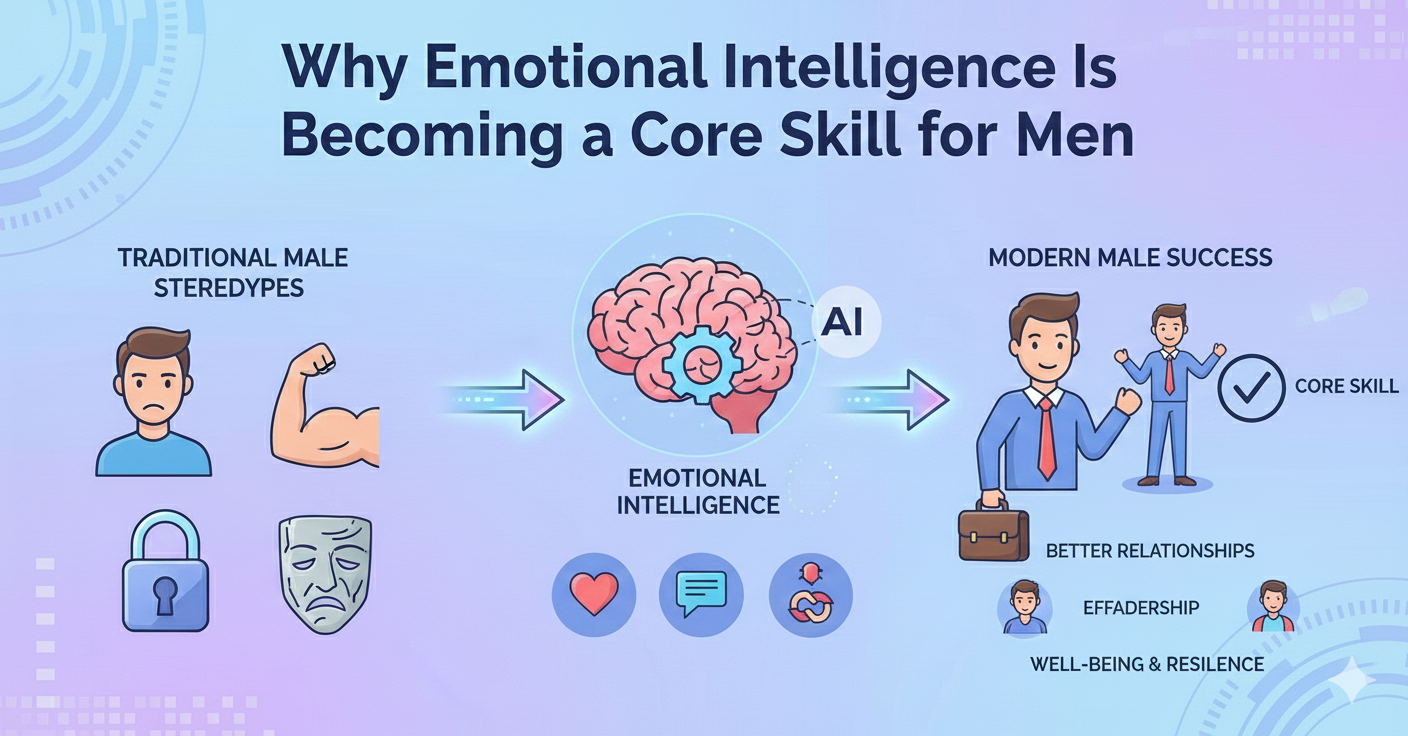
For decades, success for men was often defined by external markers: achievement, status, and productivity. While these factors still matter, the modern world increasingly rewards a different set of skills. Emotional intelligence—the ability to understand, manage, and respond to emotions effectively—is emerging as one of the most important competencies for personal and professional growth.
Rather than being a “soft skill,” emotional intelligence has become a practical tool for leadership, decision-making, and communication. As expectations shift, many men are turning to coaching to develop emotional awareness in a structured and constructive way.
Understanding Emotional Intelligence
Emotional intelligence involves more than recognizing feelings. It includes self-awareness, emotional regulation, empathy, and effective communication. These elements influence how men handle pressure, interact with others, and navigate uncertainty.
Key components of emotional intelligence include:
- Awareness of one’s emotional state
- Ability to manage reactions
- Understanding the emotions of others
- Responding thoughtfully rather than impulsively
These skills affect everyday outcomes, from workplace dynamics to personal resilience.
Why Emotional Intelligence Was Historically Overlooked
Many men grew up in environments where emotional expression was discouraged. Strength was often associated with control or detachment rather than awareness. While this approach may have helped men function in certain contexts, it also limited their ability to process and communicate emotions effectively.
As workplaces and social dynamics evolve, this limitation has become more visible. Emotional intelligence is no longer optional; it is essential for collaboration, leadership, and adaptability.
Coaching offers a practical way to develop these skills without forcing men to abandon their identity or values.
Emotional Intelligence and Self-Awareness
Self-awareness is the foundation of emotional intelligence. Without understanding internal emotional patterns, it is difficult to regulate behavior or communicate clearly.
Coaching helps men identify:
- Emotional triggers
- Stress responses
- Repeating behavioral patterns
This awareness allows men to anticipate reactions and choose responses intentionally. Over time, emotional clarity replaces confusion and reactivity.
Platforms such as Muse emphasize guided reflection that helps men connect emotional awareness with practical action, making emotional intelligence usable rather than abstract.
Managing Emotions Under Pressure
Pressure reveals emotional habits. When stakes are high, emotions often drive decisions before logic has time to catch up. Emotional intelligence enables men to pause, assess, and respond strategically.
Through coaching, men learn techniques to:
- Slow down emotional responses
- Separate emotion from action
- Regain composure quickly
This emotional regulation leads to better outcomes in high-pressure situations, whether at work or in personal challenges.
Emotional Intelligence Improves Communication
Communication failures are often emotional failures. Misunderstandings arise not because information is missing, but because emotional cues are ignored or misread.
Men with strong emotional intelligence communicate more effectively by:
- Adjusting tone and timing
- Listening actively rather than defensively
- Recognizing emotional context
Coaching helps men practice these skills in a safe environment, translating awareness into real-world communication improvements.
Empathy Without Loss of Strength
A common misconception is that empathy weakens authority or decisiveness. In reality, empathy enhances influence by improving understanding.
Emotionally intelligent men:
- Anticipate reactions
- Build trust more easily
- Navigate conflict with clarity
Empathy does not require abandoning boundaries. Coaching teaches men how to integrate empathy with assertiveness, creating balanced and effective interactions.
Emotional Intelligence and Decision-Making
Emotions influence every decision. Ignoring them does not eliminate their impact—it simply obscures it.
Emotionally intelligent decision-making involves:
- Recognizing emotional bias
- Separating short-term emotion from long-term goals
- Choosing responses aligned with values
Through guided coaching, men learn to use emotional data as input rather than interference, leading to more consistent and intentional decisions.
Emotional Intelligence Builds Resilience
Resilience is not about suppressing emotion; it is about processing emotion effectively. Men with high emotional intelligence recover from setbacks more quickly because they understand and manage their emotional responses.
Coaching supports resilience by helping men:
- Normalize emotional reactions
- Reflect without self-judgment
- Learn from challenges
This approach turns setbacks into learning opportunities rather than sources of prolonged stress.
Why Men Are Actively Developing Emotional Intelligence
Modern expectations demand adaptability, collaboration, and communication. Emotional intelligence supports all three.
Men are increasingly developing emotional intelligence because it:
- Enhances leadership capability
- Improves relationships
- Reduces internal stress
- Strengthens self-confidence
Coaching platforms like Muse offer structured environments where men can develop emotional intelligence through guided conversations rather than abstract theory.
Emotional Intelligence in Leadership and Influence
Leadership today is less about authority and more about influence. Emotional intelligence allows leaders to motivate, inspire, and guide others effectively.
Emotionally intelligent leaders:
- Read group dynamics accurately
- Respond to feedback constructively
- Create psychological safety
Coaching helps men apply emotional intelligence in leadership contexts without sacrificing decisiveness or direction.
Emotional Intelligence as a Learnable Skill
Contrary to popular belief, emotional intelligence is not innate. It can be developed with awareness, practice, and feedback.
Coaching accelerates this learning process by:
- Providing external perspective
- Offering structured reflection
- Reinforcing behavioral change
Men who invest in emotional intelligence often see benefits across all areas of life.
Long-Term Benefits of Emotional Intelligence
Over time, emotional intelligence compounds. Small improvements in awareness and regulation lead to significant changes in confidence, communication, and stability.
Men who develop emotional intelligence often experience:
- Greater mental clarity
- Stronger personal boundaries
- More effective collaboration
- Increased life satisfaction
These outcomes make emotional intelligence a foundational skill rather than a secondary one.
Conclusion
Emotional intelligence is no longer a niche concept—it is a core skill for modern men. It influences how men handle pressure, communicate, and make decisions. Through self-awareness and emotional regulation, men gain control over their responses rather than being driven by them.
Coaching offers a practical pathway for developing emotional intelligence in a supportive and structured environment. Platforms like Muse demonstrate how guided coaching can help men build emotional awareness that translates into real-world effectiveness.
As expectations continue to evolve, emotional intelligence will remain one of the most valuable skills men can develop—supporting growth, resilience, and long-term success.


Printing Solutions South Africa and Restaurant Menu Lightboxes for Business Growth

Why Most Buyers Don’t Choose the Best Property, They Choose the Most Comfortable one

6 Benefits of Community-Based Senior Living

Common Causes of Knee Pain and Effective Ways to Manage Naturally and Medically

Make1M.com: Unlock the Path to Lasting Financial Freedom

Noah Fearnley Net Worth: Age, Career, Girlfriend, Bio, Net Worth 2025 And More
-
 Health7 months ago
Common Causes of Knee Pain and Effective Ways to Manage Naturally and Medically
-
 Blog12 months ago
Make1M.com: Unlock the Path to Lasting Financial Freedom
-
 Celebrity1 year ago
Noah Fearnley Net Worth: Age, Career, Girlfriend, Bio, Net Worth 2025 And More
-

 Business9 months ago
Pipedrive CRM Integrations: Sales Tools That Improve Deal Management
-

 Business1 year ago
PO Box 6887 Coventry: What’s Really Behind the Address?
-

 Celebrity1 year ago
Eric Haze Net Worth: Feet, Age, Net Worth 2025, and Family – Everything You Need to Know
-

 Celebrity1 year ago
Who Is Zoe Bearse: All About The Life Of Amanda Bearse’s Daughter
-

 Business9 months ago
Why Fairy-Tale Themes Continue to Inspire Modern Digital Games