Health
Why Mulch Type Matters for Plant Health

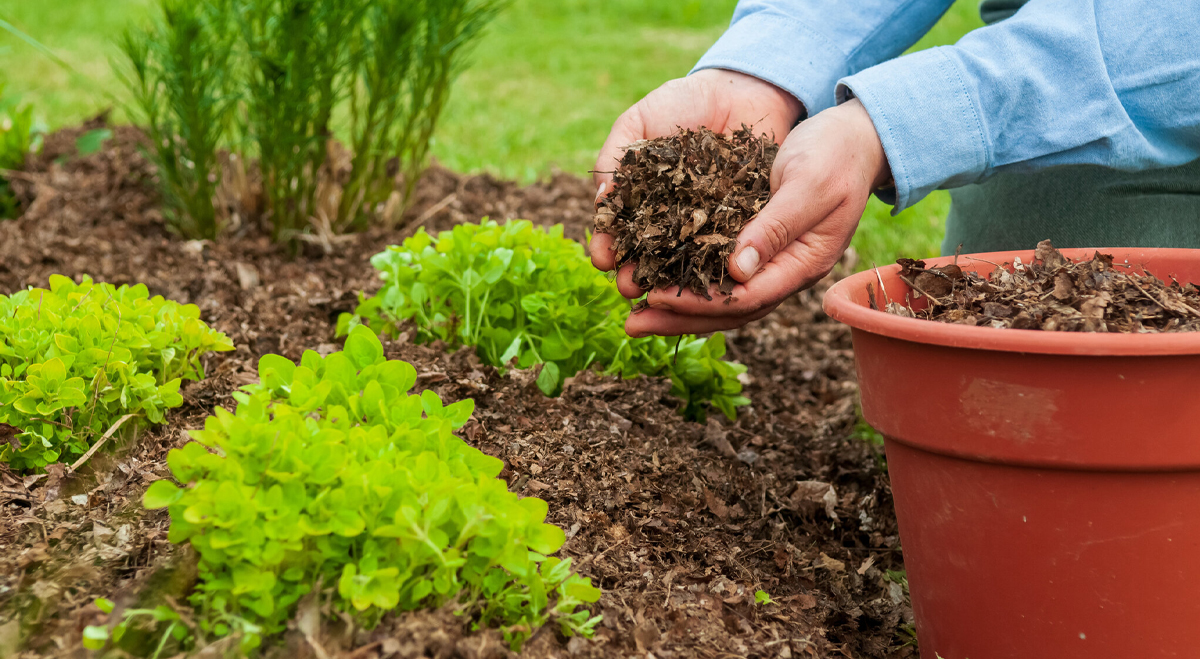
Mulch does more than make your garden look tidy—it’s essential for plant health, soil preservation, and long-term garden success. The type of mulch you choose influences everything from moisture retention and temperature control to weed suppression. For gardeners in areas with varying climate and soil conditions, selecting the right mulch is especially important. Among the many options, black mulch stands out for its striking appearance and practical benefits. Understanding how different mulch types affect plant health can help you make better landscaping decisions.
Understanding the Purpose of Mulch
Mulch is a protective layer that covers the soil, shielding roots from extreme temperatures, locking in moisture, and reducing weed growth. Organic mulches, like bark or wood chips, also decompose over time to add nutrients back into the soil. Mulch performance varies based on factors like size, color, and material. For instance, lighter-colored mulches reflect sunlight, while darker ones like black mulch absorb it, affecting soil temperature. Making a thoughtful choice can improve your garden’s health without requiring constant maintenance.
Why Black Mulch Is Gaining Popularity
Homeowners are choosing black mulch not just for its bold look but also for its ability to absorb heat. This is especially useful in cooler spring months or shaded gardens, as the extra warmth can jump-start plant growth. The dark color also creates a striking contrast with green foliage and vibrant flowers, giving garden beds a clean, elegant look. In addition to its visual appeal, black mulch helps retain soil moisture, which reduces the need for frequent watering.
Temperature Control and Soil Protection
Mulch plays an important role in regulating soil temperature. In sunny areas where soil warms quickly, darker mulch helps retain heat and creates a more stable environment for plants. Black mulch is especially effective at absorbing and holding heat, benefiting heat-loving plants or early-season crops by keeping the root zone warm. This promotes healthy growth during cool mornings or unpredictable weather. Additionally, mulch insulates the soil during colder months, protecting delicate roots from damage caused by freezing and thawing cycles. Black mulch is a practical, year-round solution for maintaining soil health.
Water Retention and Erosion Control
Water is a precious resource, and black mulch helps you conserve it. By creating a barrier between the soil and the sun, it reduces evaporation and locks in moisture. This keeps water available to your plants longer, reducing how often you need to water. In sloped or windy areas, mulch also minimizes runoff and soil erosion, which helps maintain a strong root system and protects the structure of your garden beds. Over time, you’ll notice improved soil conditions from better hydration and less surface wear.
Weed Suppression and Maintenance
Weeds compete with plants for water, nutrients, and space. Adding a layer of mulch helps prevent weed seeds from reaching the soil and sprouting. Black mulch is especially effective, as it blocks more sunlight, stopping weeds from growing. This results in a cleaner, easier-to-maintain garden with less time spent pulling weeds. The outcome is a healthier, low-maintenance landscape that looks great with minimal effort.
Aesthetic Benefits and Long-Term Appeal
Appearance matters when it comes to enhancing curb appeal. Black mulch offers a sleek, modern look that contrasts beautifully with both natural and decorative elements. It pairs seamlessly with stone, native plants, and desert features, creating a polished and cohesive finish. Unlike lighter-colored mulch, black mulch fades more slowly, maintaining its visual impact across multiple seasons. Whether you’re designing flower beds, highlighting trees, or creating a drought-friendly landscape, black mulch provides lasting aesthetic value with minimal maintenance.
Considerations Before Applying Black Mulch
Black mulch has many benefits, but it’s important to consider your plants and garden conditions before applying it widely. Heat-sensitive plants may struggle under mulch that retains warmth, and in sunny areas with intense afternoon heat, excessive warmth can stress roots. Apply mulch at the proper depth—typically 2 to 4 inches—to avoid suffocating roots or promoting mold. Be sure to leave a few inches of space around plant stems and tree trunks to prevent moisture buildup and rot. With proper application, you can enjoy the full benefits of black mulch in Salt Lake City without unintended issues.
Conclusion
Mulch does more than enhance your garden’s appearance—it’s a key element for healthier plants and a longer-lasting landscape. Black mulch, in particular, helps retain heat, preserve moisture, suppress weeds, and add a polished look to any yard. Whether starting a new garden or refreshing an existing one, selecting the right mulch can significantly impact plant growth and your landscape’s year-round appeal.


Printing Solutions South Africa and Restaurant Menu Lightboxes for Business Growth

Why Most Buyers Don’t Choose the Best Property, They Choose the Most Comfortable one

6 Benefits of Community-Based Senior Living

Common Causes of Knee Pain and Effective Ways to Manage Naturally and Medically

Make1M.com: Unlock the Path to Lasting Financial Freedom

Noah Fearnley Net Worth: Age, Career, Girlfriend, Bio, Net Worth 2025 And More
-
 Health7 months ago
Common Causes of Knee Pain and Effective Ways to Manage Naturally and Medically
-
 Blog12 months ago
Make1M.com: Unlock the Path to Lasting Financial Freedom
-
 Celebrity1 year ago
Noah Fearnley Net Worth: Age, Career, Girlfriend, Bio, Net Worth 2025 And More
-

 Business9 months ago
Pipedrive CRM Integrations: Sales Tools That Improve Deal Management
-

 Business1 year ago
PO Box 6887 Coventry: What’s Really Behind the Address?
-

 Celebrity1 year ago
Eric Haze Net Worth: Feet, Age, Net Worth 2025, and Family – Everything You Need to Know
-

 Celebrity1 year ago
Who Is Zoe Bearse: All About The Life Of Amanda Bearse’s Daughter
-

 Business9 months ago
Why Fairy-Tale Themes Continue to Inspire Modern Digital Games